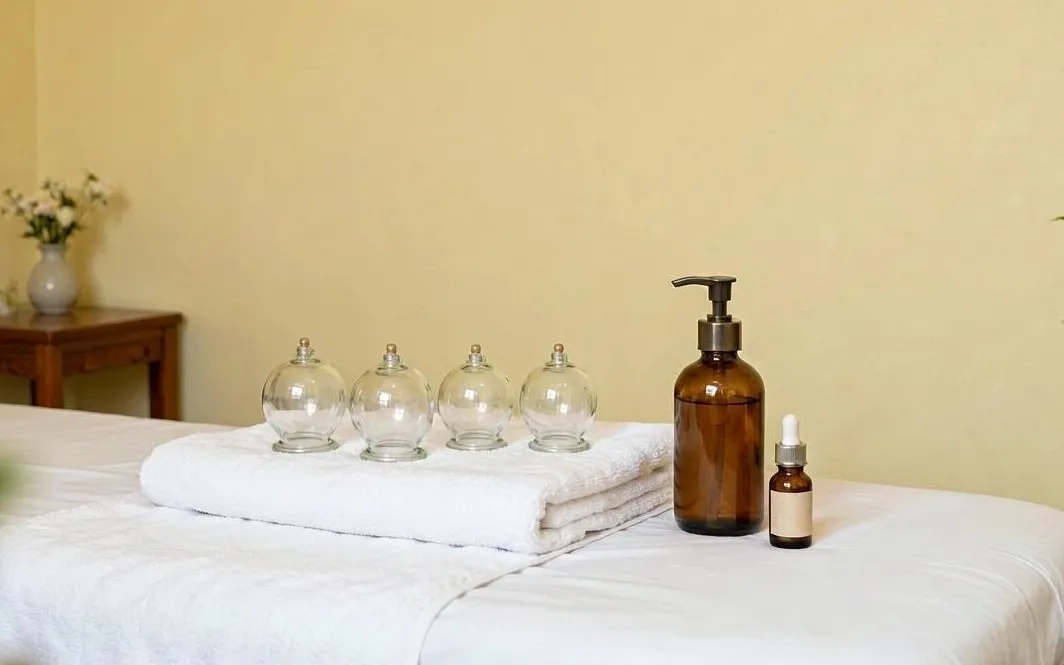
When the massage only lasts two days: cupping for a tight back
Loose after the treatment, tight again two days later. What cupping does differently, what it feels like and how long the marks stay.
Read more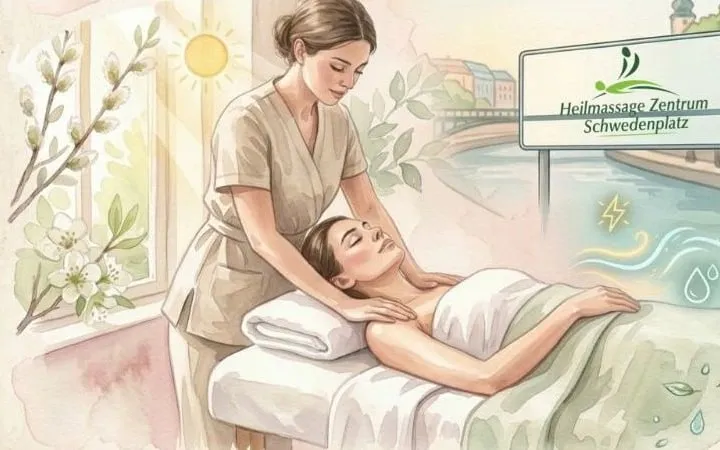
Medical facts about hormones and liver Qi, plus our two-step plan for new energy.
Nature in Vienna is waking up, the days are getting longer — and paradoxically you feel more exhausted than in the depths of winter. You can barely get out of bed in the morning, focus is missing during the day, and your neck feels tight.
What you are experiencing is not imagined. It is classic spring fatigue.
As a specialised therapeutic massage practice in the heart of Vienna, we look at the body in a medically grounded and holistic way. Today we consider both Western science and Traditional Chinese Medicine — and show you how the right therapy gets you moving again.
From a conventional medical standpoint, spring fatigue is the result of an enormous adaptive effort by the organism. As sleep specialists and chronobiologists confirm, two factors play the decisive role.
A drop in blood pressure through vasodilation. As outside temperatures rise in spring, our blood vessels widen in order to cool the body. Blood pressure falls slightly as a result. The brain is temporarily supplied with a little less oxygen, which leads to dizziness and the typical heaviness in the legs.
The hormonal tug of war. After the dark winter months, levels of the sleep hormone melatonin in our blood are still very high. With increasing sunlight in spring, the body begins to produce more serotonin — the activating happiness hormone. This hormonal changeover takes roughly two to four weeks. During that time the two opponents are working against each other in the body, which costs a great deal of energy and leads to deep exhaustion.
Traditional Chinese Medicine offers a fascinating complementary explanation. In the theory of the five elements, spring is assigned to the wood element and to the liver and gallbladder.
In TCM the liver has the task of ensuring the smooth flow of life energy (Qi) and of blood.
The problem: after an inactive winter our energy is often blocked. TCM describes this as liver Qi stagnation. The energy that in spring wants to grow dynamically outwards and upwards instead becomes congested. The clinical consequences of this stagnation are exactly the symptoms of spring fatigue: leaden tiredness, muscular tension (especially in the neck and shoulder area, where the gallbladder meridian runs), and irritability.
Coffee is not a sustainable solution here. To lift the body out of its lethargy, we need to stimulate the cardiovascular system mechanically and release stagnation. We combine Western and Eastern methods in a two-step approach.
Firm, rhythmic massage techniques are the most effective way to stabilise blood pressure and break through liver Qi stagnation.
The effect: fascial adhesions left over from winter are released. Circulation in the periphery increases substantially, bringing fresh oxygen to the brain and to tired muscles. The body is genuinely woken up.
Once circulation has been activated, lymphatic drainage supports the immune system.
The effect: gentle, pumping movements stimulate the lymphatic system. Tissue fluid and metabolic waste — often the cause of that heavy feeling in the legs — are carried away efficiently. The result is a noticeable, physical lightness.
The changeover to the warm season is a natural process, and one you can make considerably easier through targeted therapeutic massage.
By the way: where a doctor’s referral exists, you can submit our therapeutic massages to your health insurer (ÖGK, SVS, BVAEB) for partial reimbursement.
Shake off the tiredness. We look forward to seeing you flourish.
Loose after the treatment, tight again two days later. What cupping does differently, what it feels like and how long the marks stay.
Read more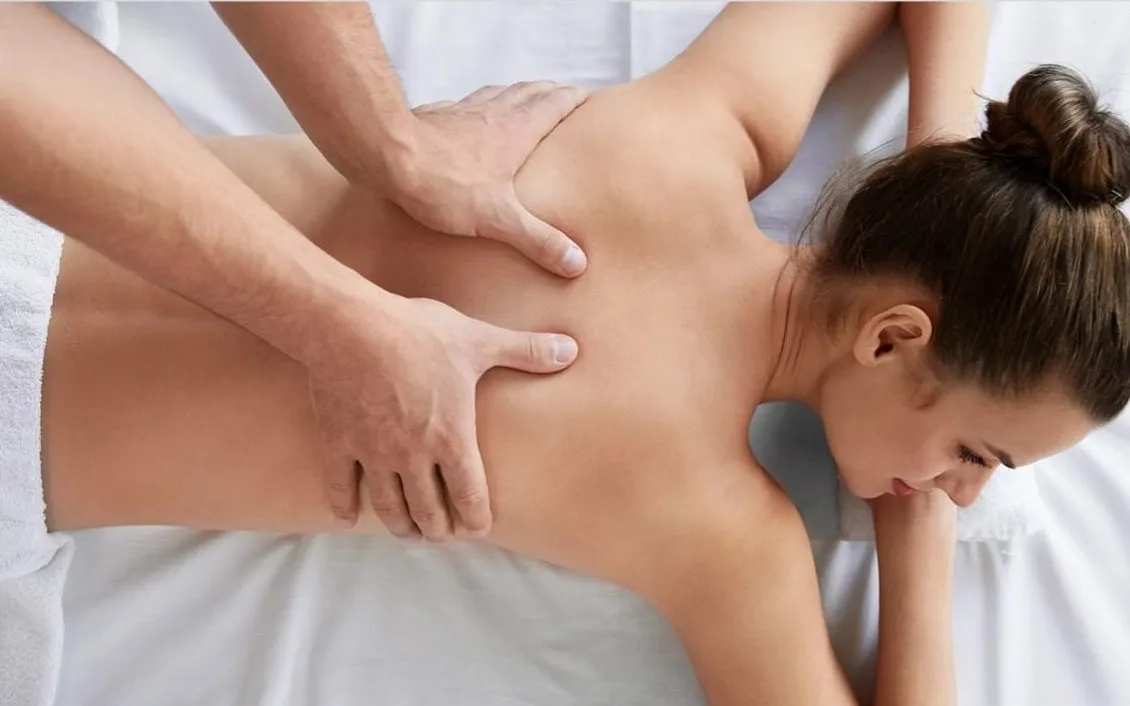
Why the neck returns in September, how often a massage is really needed, and when to see a doctor instead. From the practice at Schwedenplatz, Vienna.
Read more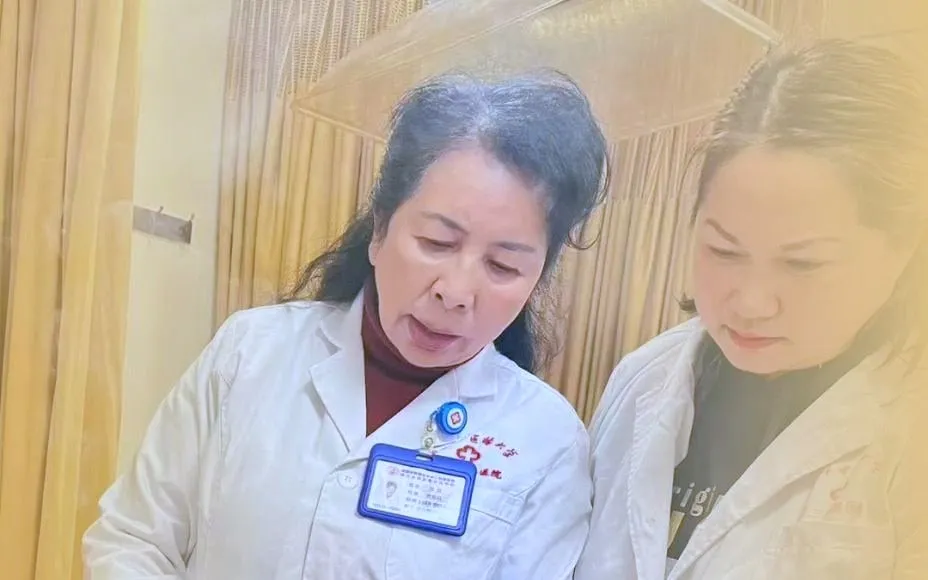
In February 2026 our practice director attended clinical training with Prof. Dr Hong Zhang in Chengdu. What that means for treatments in Vienna.
Read more