

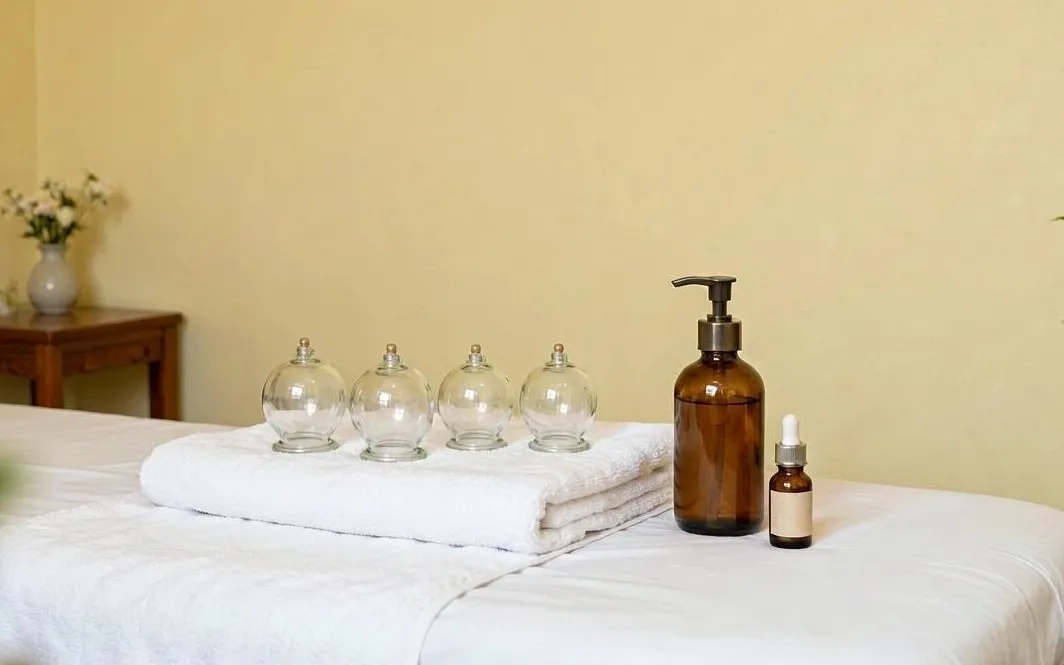
When the massage only lasts two days: cupping for a tight back
Loose after the treatment, tight again two days later. What cupping does differently, what it feels like and how long the marks stay.
Read more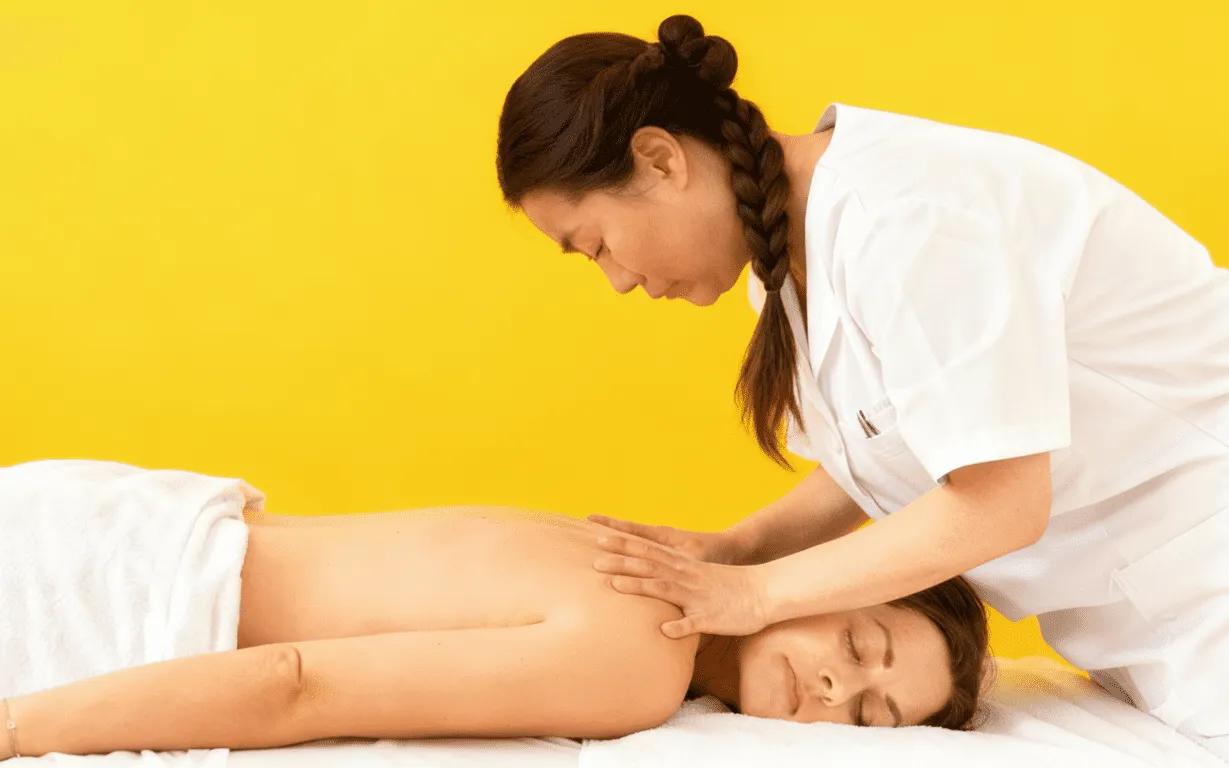
Why the dark months weigh on us psychologically — and how therapeutic touch regulates the nervous system.
February is often the month in which our reserves run out. Winter drags on, the light is missing, and many people report a lack of drive. Many therefore look for natural help. In this article we explain, from a medical point of view, why professional massage is particularly effective against seasonal depression, and how it regulates your nervous system.
In medicine this is called seasonal affective disorder (SAD), commonly known as the winter blues. But it is not imagined. It is a physiological response of the body to a sustained lack of light.
As a therapeutic massage practice we would like to explain what exactly happens in your body, and why massage is far more than wellness — it is a targeted intervention in your hormonal and nervous systems.
Our bodies are governed by light. When daylight is missing, our circadian rhythm falls out of step:
Since we cannot change the weather, we have to find other ways to influence the biochemistry of the brain positively. This is where professional therapeutic massage comes in. Research into touch (for example at the Touch Research Institute) points to the following mechanisms.
Regulation of neurotransmitters (serotonin and dopamine). Therapeutic touch stimulates pressure receptors beneath the skin. These signals travel to the brain and encourage the release of serotonin and dopamine. Both are essential for drive, focus and subjective well-being. Massage acts here as a natural mood lifter.
The oxytocin–cortisol axis. Slow, rhythmic strokes — as in classic massage or aromatic oil massage — stimulate the so-called C-tactile fibres. This triggers the release of oxytocin, which acts in the body as a direct counterpart to the stress hormone cortisol. When cortisol levels fall, the body feels safe, anxiety eases and the immune system can recover.
Activation of the vagus nerve (the parasympathetic system). Perhaps the strongest argument for a massage in winter is the switch it produces in the autonomic nervous system. Stress and cold put us into sympathetic mode — fight or flight. A professional massage stimulates the vagus nerve, which activates the parasympathetic system, our nerve of rest and recovery. Heart rate and blood pressure fall, digestion relaxes, and deep recovery becomes possible.
To achieve this neurobiological reset, we recommend treatments that are particularly calming for the nervous system:
Think of your appointment with us not as a luxury but as a necessity for your psychological stability during the dark season. You are giving your body the biochemical signals that the missing sunlight is withholding from it.
We invite you to use this protected space of calm at Schwedenplatz.
Loose after the treatment, tight again two days later. What cupping does differently, what it feels like and how long the marks stay.
Read more
Why the neck returns in September, how often a massage is really needed, and when to see a doctor instead. From the practice at Schwedenplatz, Vienna.
Read more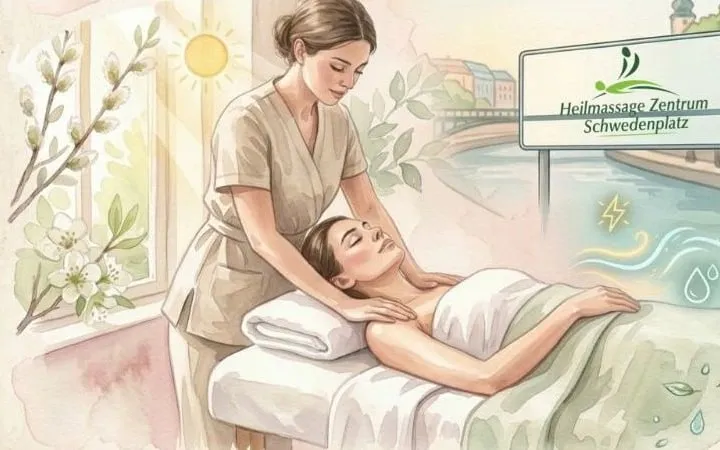
Hormonal jet lag and liver Qi stagnation: why spring makes us tired — and a two-step treatment plan from both Western and Chinese perspectives.
Read more